Cervical Spondylosis
Causes, Symptoms, and Treatment for Neck Pain
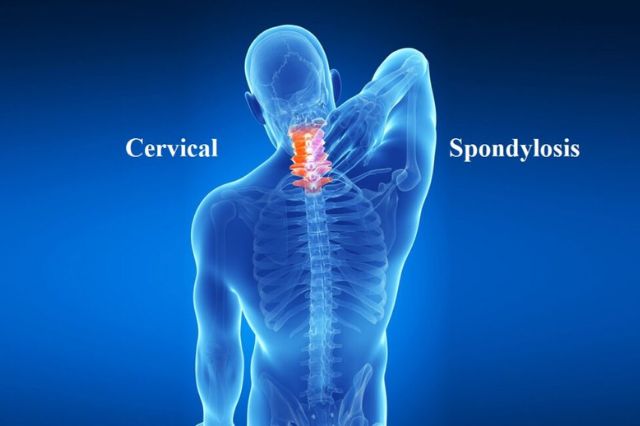
Cervical spondylosis is a general term for age-related "wear and tear" affecting the spinal disks in your neck. As the disks dehydrate and shrink, signs of osteoarthritis develop, including bony projections along the edges of bones (bone spurs).
While it is very common—affecting more than 85 percent of people older than age 60—it often causes no symptoms. However, for some, it can cause severe pain and stiffness that affects daily life.
Common Symptoms
Neck Pain & Stiffness
Persistent ache in the neck that gets worse with activity or after holding your head in one place for a long time.
Radiculopathy
Pain that travels down from the neck into the shoulder and arm, sometimes accompanied by numbness or tingling in the fingers.
Headaches
Headaches that often originate at the back of the neck and travel upwards to the forehead.
Loss of Balance
In severe cases where the spinal cord is compressed (Myelopathy), patients may experience difficulty walking or lack of coordination.
Risk Factors
Why does this happen? The primary factor is aging, but others include:
- Occupation: Jobs that involve repetitive neck motions, awkward positioning, or heavy lifting.
- Neck Injuries: Previous neck injuries appear to increase the risk of spondylosis.
- Genetic Factors: Some families have a tendency for these changes to occur earlier.
Treatment Options
Most cases respond well to conservative treatment. Surgery is reserved for severe nerve compression.
Physical Therapy: Exercises to stretch and strengthen neck and shoulder muscles.
Medication: Muscle relaxants and anti-inflammatories to reduce pain and swelling.
Soft Collar: Wearing a soft brace for short periods to rest the neck muscles.
If conservative care fails or if there are neurological signs (weakness in arms/legs), surgery may be needed to create more room for the spinal cord and nerves. Common procedures include Anterior Cervical Discectomy and Fusion (ACDF) or Disc Replacement.